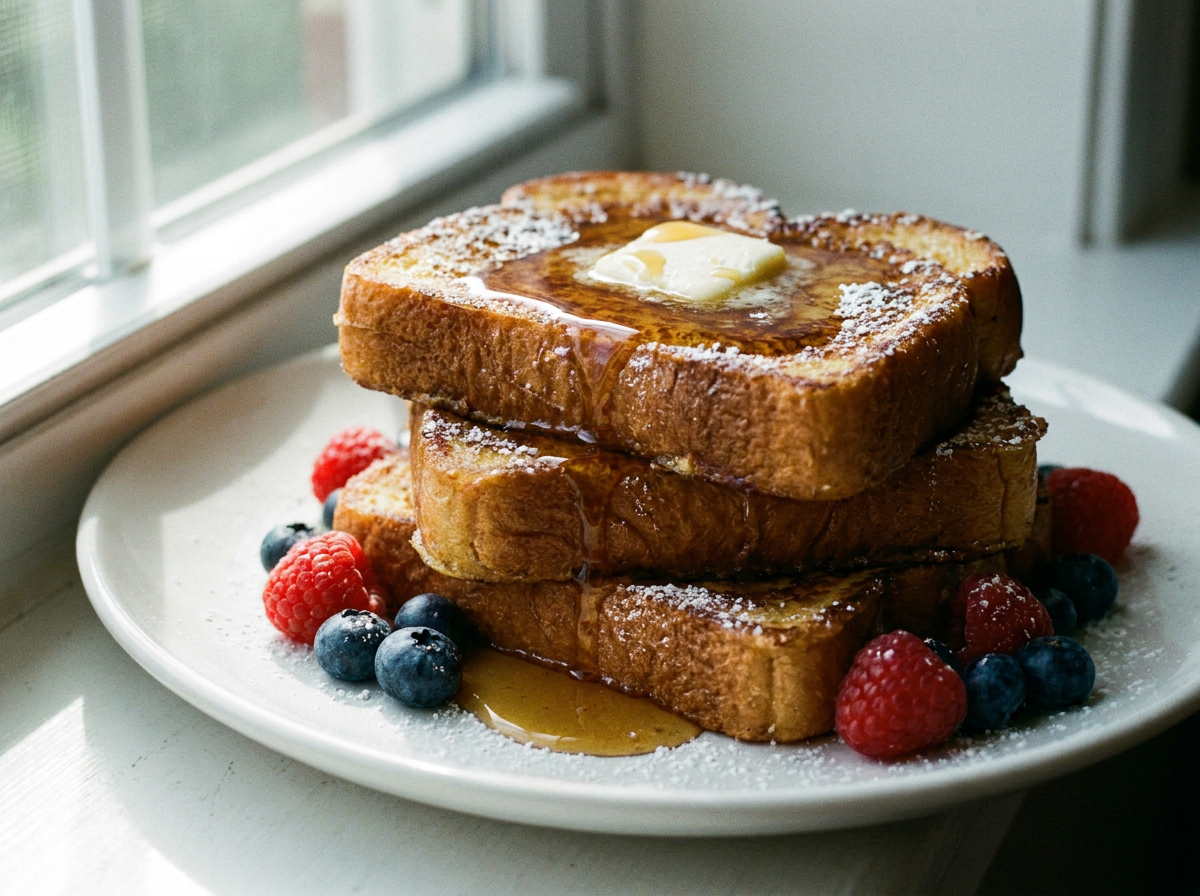
Classic French Toast Recipe (Crispy Outside, Soft Inside)
If you’ve ever ended up with soggy, bland slices instead of the crispy, golden result you were hoping for, this french toast recipe is going to fix that for good. This is the french toast recipe I come back to every single time — thick slices of bread soaked in a cinnamon-vanilla custard, pan-fried until the edges turn crisp and golden, while the inside stays soft and custardy. No fancy equipment, no complicated steps, just a few techniques that make all the difference.
Whether you’re making breakfast for the family on a slow Sunday or just want something comforting on a weekday, this french toast recipe comes together in about 15 minutes from start to finish.
Why You’ll Love This French Toast Recipe
- Ready in 15 minutes — minimal prep, maximum payoff
- Crispy outside, soft inside — the exact texture everyone’s chasing
- Simple pantry ingredients — eggs, milk, bread, and basic spices
- Freezer-friendly — make a double batch and reheat on busy mornings
- Endlessly customizable — toppings, bread type, and flavor add-ins all work
This french toast recipe isn’t trying to reinvent anything — it’s just the classic, done right, with the small details that actually matter explained clearly so you don’t end up with a soggy mess.
What You’ll Need for This French Toast Recipe
The beauty of a good french toast recipe is how few ingredients it actually needs. Here’s what goes into the custard and the bread itself:
- 4 large eggs
- 3/4 cup whole milk (or half-and-half for extra richness)
- 1 teaspoon vanilla extract
- 1/2 teaspoon ground cinnamon
- Pinch of salt
- 6-8 slices thick-cut bread (brioche, challah, or Texas toast work best)
- 2 tablespoons butter, for the pan
- Maple syrup, powdered sugar, and fresh berries, for serving
A quick note on bread: the bread you choose can make or break this french toast recipe. Thin sandwich bread tends to fall apart or turn mushy, while thick, slightly stale slices hold their shape and soak up the custard without disintegrating. If your bread is fresh, let it sit out uncovered for a few hours, or toast it very lightly first, to dry it out slightly before dipping.
How to Make This French Toast Recipe
- Whisk the custard. In a wide, shallow bowl (a pie dish works great), whisk together the eggs, milk, vanilla, cinnamon, and salt until fully combined and slightly frothy.
- Heat the pan. Melt 1 tablespoon of butter in a large skillet or griddle over medium heat. You want the butter melted and bubbling gently, not smoking.
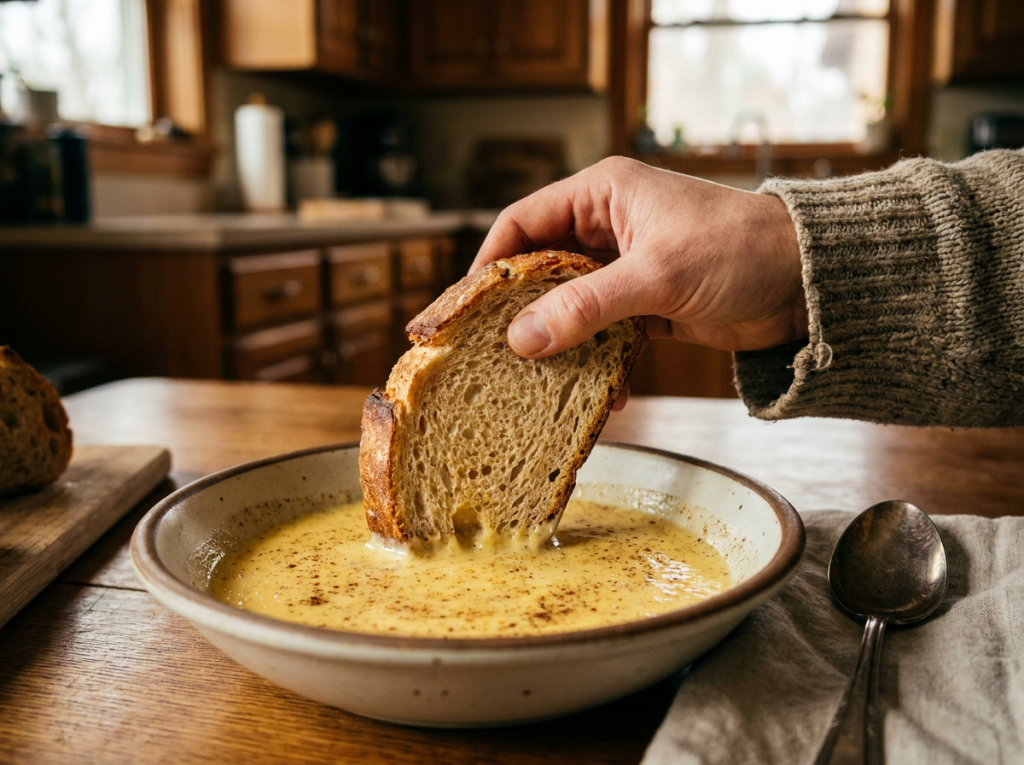
- Dip the bread. Dip each bread slice into the egg mixture, letting it sit for about 10-15 seconds per side. This is the step most people rush — thick bread actually needs this time to properly absorb the custard all the way through, not just on the surface.
- If you like this recipe then checkout our Easy Beef Stir Fry Recipe (Ready in 25 Minutes).
- Cook until golden. Place the soaked bread in the hot skillet and cook for 2-3 minutes per side, until deeply golden brown and crisp at the edges. Resist the urge to flip early — a proper golden crust needs the full time.
- Keep warm. Transfer cooked slices to a plate and tent loosely with foil while you cook the remaining batches, adding more butter to the pan as needed between batches.
- Serve immediately. This french toast recipe is best enjoyed hot, straight from the pan, with maple syrup, a dusting of powdered sugar, and fresh berries on top.
Tips for the Best French Toast Recipe Results
- Use day-old or slightly stale bread. Fresh, soft bread tends to fall apart; stale bread holds its structure and soaks up the custard evenly.
- Don’t over-soak. 10-15 seconds per side is enough for thick slices — any longer and the inside can turn gummy instead of custardy.
- Keep the heat at medium, not high. This gives the inside enough time to finish cooking through before the outside burns, which is the most common reason french toast turns out raw in the middle.
- Don’t overcrowd the pan. Leave space between slices so they crisp properly instead of steaming each other.
Variations to Try With This French Toast Recipe
One of the best things about this french toast recipe is how easily it adapts:
- Stuffed French Toast: Spread a thin layer of cream cheese or mascarpone between two slices before dipping, for a stuffed version.
- Overnight Baked French Toast: Arrange soaked bread in a baking dish, refrigerate overnight, then bake at 350°F for 25-30 minutes the next morning — perfect for feeding a crowd.
- Savory Twist: Skip the cinnamon and vanilla, add a pinch of black pepper and a sprinkle of parmesan instead, for a savory version that pairs well with eggs and bacon.
- Flavor Add-Ins: A splash of orange zest or a pinch of nutmeg in the custard adds a nice variation without changing the technique.
Common Mistakes to Avoid With This French Toast Recipe
Even with a simple french toast recipe like this one, a few small missteps are responsible for most disappointing results:
- Using bread that’s too soft or fresh. This is the single biggest cause of soggy, falling-apart french toast. If you only have fresh bread, toast it lightly first or leave it out uncovered for a couple of hours before starting.
- Skipping the resting time after dipping. Pulling the bread out the instant it touches the custard means the center never actually absorbs anything — you end up with a dry inside and a wet, eggy exterior.
- Cranking the heat too high. It’s tempting to speed things up, but high heat browns the outside before the inside has a chance to set, leaving you with a raw, eggy center under a dark crust.
- Not preheating the pan properly. Adding bread to a pan that isn’t hot enough yet means it sits and absorbs grease instead of searing, resulting in a greasy rather than crisp texture.
- Flipping too early. A proper golden-brown crust takes the full 2-3 minutes per side — flipping early (because it “looks done”) often means an underdeveloped crust and a wetter, less structured slice.
Slowing down on just these five points is really the entire difference between average french toast and genuinely great french toast.
How to Store and Reheat French Toast
Refrigerator: Store cooked slices in an airtight container for up to 3 days. Freezer: Freeze in a single layer on a tray until solid, then transfer to a freezer bag for up to 2 months. Reheating: For the best texture, reheat in a toaster or in the oven at 350°F for 5-7 minutes to keep the edges crisp. Microwaving works in a pinch but will soften the crust.
Frequently Asked Questions About This French Toast Recipe
What’s the best bread for a french toast recipe?
Thick, slightly stale bread like brioche, challah, or Texas toast holds up best without getting mushy, since it can absorb the custard without falling apart.
Can I make French toast ahead of time?
Yes — cook a full batch, let it cool completely, then refrigerate or freeze it. Reheat in the oven or toaster rather than the microwave to keep the crispy edges intact.
Why does my French toast turn out soggy?
This usually happens from over-soaking the bread, using bread that’s too fresh and soft, or cooking at too high a heat so the outside browns before the inside sets.
Can I use a dairy-free milk for this french toast recipe?
Yes, almond milk, oat milk, or any dairy-free milk works as a substitute — the texture will be very similar, though oat milk tends to give the creamiest result.
Do I need to use a griddle, or is a regular skillet fine?
A regular nonstick or cast iron skillet works perfectly well for this french toast recipe. A griddle is only an advantage if you’re cooking a large batch and want to fit more slices at once.
Can I double this french toast recipe for a crowd?
Absolutely — simply double the custard ingredients and cook the bread in batches, keeping finished slices warm in a 200°F oven while you work through the rest.
Final Thoughts
At the end of the day, a good french toast recipe really comes down to a few small details: the right bread, the right soak time, and not rushing the pan. Once you’ve got those down, this becomes one of those recipes you can make from memory, any lazy morning you want something warm and a little indulgent.
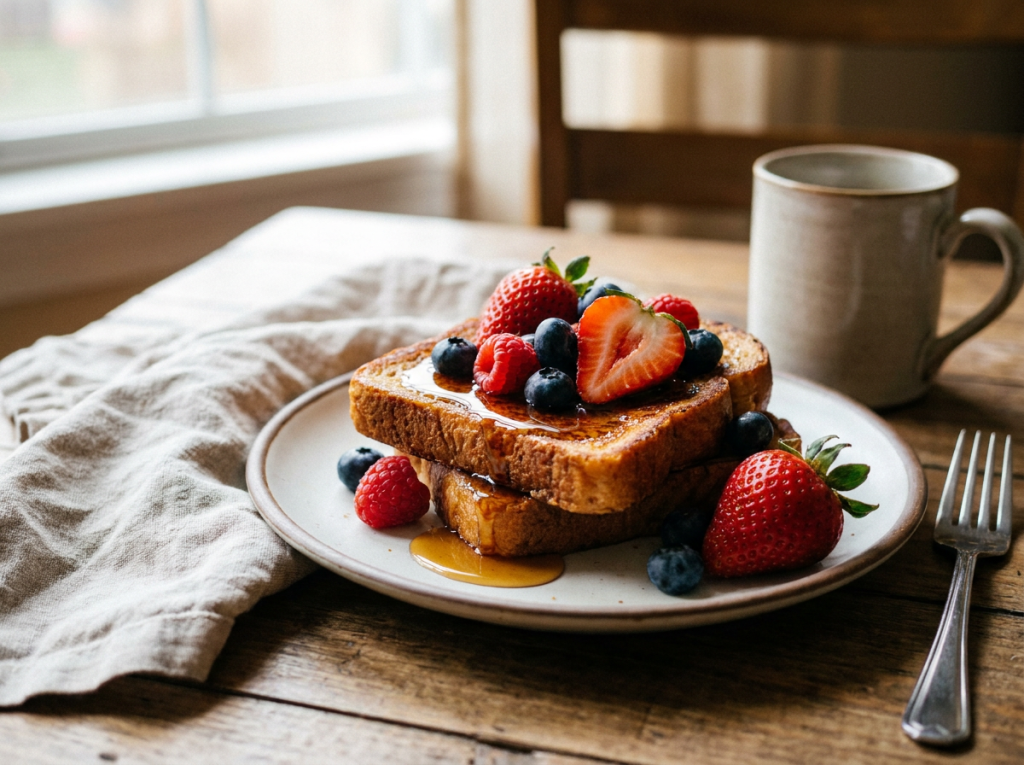
If you make this french toast recipe, save this pin and let me know in the comments how it turned out!